Are you a Roblox developer or a passionate player constantly encountering annoying scripting errors that disrupt your game experience or creation workflow? Understanding and resolving these Roblox Studio scripting errors is crucial for building immersive worlds and ensuring smooth gameplay. This comprehensive guide delves into why these errors occur, where to find them, and how to effectively troubleshoot common issues like syntax errors, undefined variables, and performance bottlenecks. We explore the latest tools and best practices adopted by top Roblox scripters in 2024, providing actionable tips and tricks for debugging and optimizing your code. Whether you're a beginner struggling with your first script or an experienced developer refining a complex game, mastering error resolution will elevate your Roblox projects. Dive in to transform frustrating errors into learning opportunities and create higher quality, bug-free experiences for everyone on the platform.
Most Asked Questions about Roblox Scripting Error FAQ (50-100)+ Answered (Tips, Trick, Guide, How to, Bugs, Builds, Endgame)
Welcome to the ultimate living FAQ for Roblox scripting errors, meticulously updated for the latest patches and development trends! Whether you're a new developer grappling with your first Lua script or a seasoned creator optimizing complex systems, this guide is your go-to resource for understanding, troubleshooting, and preventing common and intricate scripting issues. We've compiled the most frequently asked questions from the Roblox community, Bing, and Google, providing clear, concise, and actionable answers. From syntax errors to advanced performance bottlenecks, we'll cover it all, equipping you with the knowledge to build robust and enjoyable Roblox experiences. Let's conquer those errors together!
Beginner Questions
What is the most common Roblox scripting error for beginners?
The 'attempt to index nil with' error is incredibly common for beginners. It means your script is trying to access a property or function of something that doesn't exist. Often, this happens because an object hasn't loaded yet or its path is incorrect. Use `WaitForChild()` or `FindFirstChild()` with a `nil` check to ensure the object is present before interacting with it. This simple habit prevents many early frustrations.
How do I find the line number of an error in my Roblox script?
The Roblox Studio Output window is your best friend! When an error occurs, the Output window will display a red message, including the error description, the name of the script, and crucially, the exact line number where the error occurred. Clicking on the error message often directly takes you to that line in your script, making it easy to pinpoint and fix. Always check the Output first.
Why does my script say 'expected' then something else?
This error message, like 'expected ')' (to close '(' at line X), got 'end'', indicates a syntax error where Lua expects a specific character or keyword but finds something else. It's often caused by typos, missing parentheses, brackets, or unclosed code blocks (like `if` statements missing their `end`). Carefully review the indicated line number for correct Lua syntax and matching pairs of characters. Using a good code editor helps catch these visually.
What is a syntax error in Roblox scripting?
A syntax error is essentially a grammatical mistake in your code that violates the rules of the Lua programming language. The Lua interpreter cannot understand or execute the line because it's not written correctly. Examples include typos in keywords (`functin` instead of `function`), missing commas, or unclosed strings. Your script won't run until these errors are corrected, as Lua doesn't know how to interpret your instructions.
Builds & Classes
Myth vs Reality: Are client-side errors always caused by bad player internet?
Myth: While poor internet can exacerbate client-side issues, not all client-side errors are solely due to player internet. Reality: Many client-side errors stem from inefficient local scripts, device performance limitations, race conditions (scripts trying to access objects not yet loaded), or improper handling of data received from the server. Robust client-side error handling and optimization are crucial for all players, regardless of their connection speed.
Multiplayer Issues
How do I fix 'Local script cannot access' errors in a multiplayer game?
This error occurs because local scripts on a player's client cannot directly modify or access certain server-owned objects or services for security reasons. To fix this, you must use `RemoteEvents` or `RemoteFunctions` for all client-to-server and server-to-client communication. The client fires a request to the server, and the server then performs the action on its end, ensuring security and proper synchronization across all players. Validate all client input on the server.
Why do some players experience lag spikes but others don't in my game?
Lag spikes for specific players often point to client-side performance bottlenecks or network issues unique to their setup. It could be an inefficient local script consuming too much CPU on their device, high ping to the server, or a very graphically demanding part of your game that their hardware struggles with. Use the in-game Developer Console (F9) to check their client's script activity, memory usage, and network statistics. Optimize client-side scripts and consider implementing graphic quality settings.
Endgame Grind
Myth vs Reality: Does 'wait()' always cause errors in complex games?
Myth: `wait()` itself doesn't always cause errors. Reality: `wait()` is deprecated and less reliable than `task.wait()`, especially in complex games with many concurrent operations. While it might not directly cause errors, its inaccuracies and potential for yielding longer than expected can lead to race conditions, desynchronization, or scripts running out of order, which can *manifest* as logical errors. Always prefer `task.wait()` for better control and reliability in modern Roblox development. It provides more consistent timing for your game logic.
Bugs & Fixes
What does 'attempt to compare nil with number' mean?
This error indicates you're trying to compare a `nil` value (something that doesn't exist) with a `number`. For example, `if myVariable > 10` will error if `myVariable` is `nil`. This usually happens because `myVariable` wasn't assigned a value, failed to retrieve one, or was accidentally set to `nil`. Always ensure variables hold the expected data type before performing operations like comparisons or arithmetic. Add `if myVariable ~= nil then` checks.
How can I debug errors that only occur in a live game, not in Roblox Studio?
Debugging live-game-only errors requires robust in-game logging. Implement a system to send client-side error details (from the F9 Developer Console) to the server, which can then be logged externally or printed to your Studio Output during a live test. Ask affected players to screenshot their F9 console. These errors often relate to network conditions, unique player interactions, or device performance which are hard to simulate in Studio. You might also use external analytics services.
Myth vs Reality: Do all errors need to be completely prevented for a game to be good?
Myth: A perfect, error-free game is the only good game. Reality: While striving for zero errors is ideal, it's virtually impossible in complex software like games. A
Have you ever wondered why your amazing Roblox game sometimes just refuses to work, throwing up cryptic red error messages that make absolutely no sense? It’s a common frustration many developers, from budding scripters to seasoned pros, face regularly. Understanding these Roblox scripting errors is not just about fixing a bug; it's about learning the language of your game and making it stronger.
Every line of code you write in Roblox Lua tells the game what to do, and sometimes, those instructions get a little jumbled or misunderstood. We are going to explore the universe of Roblox scripting errors in 2024, uncovering the mysteries behind those pesky warnings and critical failures. Our goal is to equip you with the knowledge and tools needed to diagnose, understand, and ultimately resolve these issues, turning frustration into triumph. Let's dive deep into why your scripts might be breaking and how to get them running smoothly again, ensuring your creations shine.
Understanding Roblox Scripting Errors The Basics
When you're building experiences in Roblox Studio, scripts are the heart of your game, breathing life into objects and defining interactions. A Roblox scripting error occurs when your code contains something the Lua interpreter cannot understand or execute correctly. These errors can range from simple typos, known as syntax errors, to more complex logical flaws that cause unexpected behavior in your game. Knowing the different types of errors is the first step toward effective troubleshooting.
Many new developers frequently encounter 'attempt to index nil with' errors, which often means you're trying to access a property or function of something that doesn't exist. Another common issue is 'expected identifier when parsing expression,' indicating a syntax problem where Lua expects a variable name or function but finds something else. The Roblox output window is your best friend here, providing valuable messages about where and what type of error has occurred. Paying close attention to these messages can significantly speed up your debugging process. Learning to read these error messages is like learning to read a treasure map; they point you directly to the problem.
Why Do Roblox Scripting Errors Happen
Roblox scripting errors primarily happen because of a mismatch between what your code intends to do and what Lua understands it to do. This could be due to incorrect syntax, where the rules of the Lua language aren't followed, or logical errors, where the code runs but produces an unintended result. Typographical errors are surprisingly common culprits, even for experienced scripters.
Another significant reason for errors is incorrect referencing of game objects or properties. If you try to access a part named 'PlayerSpawn' but accidentally type 'Playerspawn', your script won't find it, leading to a 'nil' error. Understanding the Roblox Studio hierarchy and ensuring your paths are correct is absolutely essential for stable scripts. Furthermore, timing issues, where a script tries to access an object before it's fully loaded, can also cause errors. Utilizing 'WaitForChild()' is a common and effective strategy to mitigate such problems, allowing your script to patiently wait until the necessary object is present. Good coding practices, like consistent naming and commenting, make your code much easier to debug.
Where to Find and Identify Roblox Scripting Errors
The primary place to find Roblox scripting errors is the Output window within Roblox Studio. This window logs all errors, warnings, and print statements from your scripts, providing crucial diagnostic information. When an error occurs, the Output will typically display the error message, the name of the script where the error originated, and the exact line number, making it incredibly easy to pinpoint the problem area. It's like having a built-in detective for your code.
Beyond the Output window, the Developer Console (accessible in-game by pressing F9) can also display client-side script errors and network-related issues, which are vital for multiplayer games. For visual debugging, the Breakpoints feature in Roblox Studio allows you to pause script execution at specific lines. This lets you inspect variable values at that moment, providing deep insights into your script's flow and logic. Knowing how to effectively use these tools turns debugging from a guessing game into a systematic investigation. Regularly checking both the Studio Output and in-game Developer Console is a habit every serious Roblox developer should cultivate.
Debugging Common Roblox Scripting Errors Effectively
Debugging is an art form, and mastering it means you'll spend less time frustrated and more time creating. The most effective debugging strategies involve a combination of systematic analysis, utilizing Studio's built-in tools, and a strong understanding of Lua's fundamentals. You're essentially putting on your detective hat and looking for clues. Don't be afraid to experiment and trace your code's execution path to see exactly where things go wrong.
A common mistake is trying to fix an error by randomly changing lines of code without truly understanding the root cause. This often leads to new errors or simply masks the original problem, making it harder to solve in the long run. Instead, isolate the problematic code, test small changes incrementally, and use print statements liberally to track variable values. This methodical approach ensures that each fix addresses a specific issue, leading to more stable and reliable scripts. Remember, every error is a chance to learn something new about coding and about your specific project.
How to Fix Common Roblox Scripting Errors
Fixing Roblox scripting errors often involves understanding the error message and applying the correct solution based on the type of error. For syntax errors, carefully review the indicated line number for typos, missing parentheses, or incorrect keyword usage. Lua is very particular about its syntax, so even a single misplaced character can break your script. Using a code editor with syntax highlighting can help catch these issues visually.
For runtime errors, such as 'attempt to index nil with,' you'll need to trace back why a variable or object might be 'nil' at that point in your script. This could mean the object wasn't found, wasn't loaded yet, or was mistakenly destroyed. Implementing checks like 'if object then' or using 'WaitForChild()' for game objects are robust ways to prevent these. Logical errors require a deeper dive, often by using breakpoints to step through your code and observe variable states. This allows you to identify exactly where your script's logic deviates from your intended behavior. It's like playing a game of 'find the difference' with your code's expected and actual outcomes.
Advanced Strategies for Robust Roblox Scripting
As your Roblox projects grow in complexity, so do the potential for more intricate scripting errors. Moving beyond basic debugging, advanced strategies focus on preventative measures and architectural design to minimize future issues. This proactive approach saves countless hours of troubleshooting down the line. Thinking ahead about potential failure points is a hallmark of experienced developers.
Implementing modular scripting, where your code is broken into smaller, manageable, and reusable functions, is incredibly powerful. This reduces the scope of errors, making them easier to isolate and fix, and promotes cleaner code overall. Utilizing version control systems like Git can also be a game-changer, allowing you to track changes, revert to stable versions, and collaborate effectively with other developers. These practices are not just about fixing errors; they're about building a resilient and maintainable codebase that stands the test of time and player interaction.
Optimizing Script Performance to Prevent Errors
Performance optimization in Roblox scripting isn't just about making your game run faster; it's also a critical way to prevent certain types of errors, especially in complex or resource-intensive games. Scripts that run inefficiently can cause lag, desynchronization, and even crash the client or server, leading to a frustrating player experience. Efficient code is inherently more stable and less prone to unexpected behavior.
One key optimization technique is to minimize unnecessary loops and computations, especially within frequently executing functions like 'Heartbeat' or 'RenderStepped.' Avoid repeatedly indexing into the Workspace or creating new instances inside loops where it's not strictly necessary. Caching frequently accessed references to objects and services at the start of your script can significantly reduce overhead. Furthermore, understanding the difference between client-side and server-side scripting and offloading appropriate tasks can vastly improve performance. For example, purely visual effects should often be handled client-side, reducing server load. Thinking about performance from the outset is like building a strong foundation for your game.
The Human Factor in Roblox Scripting Errors
While we often focus on the technical aspects of scripting errors, it's vital to acknowledge the human element involved. We're all prone to making mistakes, especially when coding under pressure or working on large, intricate projects. Recognizing this human factor helps foster a more supportive and productive development environment, both for individuals and teams. It's okay to make errors; it's how you learn and grow that truly matters.
Fatigue, distraction, and a lack of clear planning can all contribute to scripting errors. Taking regular breaks, organizing your thoughts before coding, and writing pseudocode can significantly reduce these occurrences. Collaboration with other developers can also be incredibly beneficial; a fresh pair of eyes can often spot errors you've overlooked. Don't hesitate to ask for help or share your code for review. The Roblox developer community is vast and generally very supportive, offering a wealth of knowledge and different perspectives to help you overcome coding challenges. Remember, coding is a journey, and everyone encounters bumps along the way.
Current Trends and Future of Roblox Scripting Error Handling
The landscape of Roblox development is constantly evolving, and with it, the tools and best practices for handling scripting errors. In 2024, there's a growing emphasis on more robust error reporting, automated testing, and community-driven solutions. Developers are seeking ways to not just fix errors, but to predict and prevent them proactively. This shift reflects a maturing platform and a desire for professional-grade development workflows.
One significant trend is the increasing adoption of custom logging and analytics systems within games to track errors in live environments. This allows developers to identify critical bugs affecting players in real-time, even before they are reported. The growth of open-source libraries and frameworks within the Roblox ecosystem also provides more battle-tested solutions that inherently reduce common error vectors. Furthermore, discussions around static code analysis and formal code reviews are becoming more prevalent, pushing towards higher code quality standards. Staying informed about these trends helps you keep your development practices cutting-edge and your games more resilient. The future promises even smarter tools to help us build amazing experiences.
Realistic High-Value Q&A for Roblox Scripting Errors
Let's dive into some common questions about Roblox scripting errors that people often ask, getting straight to the heart of what trips up developers.
Beginner / Core Concepts
1. Q: What does 'attempt to index nil with' error mean in Roblox and how do I fix it quickly?
A: This error, which I get why this confuses so many people, means your script is trying to access a property or function of something that doesn't exist. Essentially, you're asking Lua to find 'color' of a 'part' that Lua thinks is 'nil' or empty. You're trying to index something that isn't there, like asking for the specific brand of a car that hasn't arrived yet! The quickest fix is to ensure the object you're referencing actually exists before you try to interact with it. You can do this by using 'if' statements to check for its existence or using 'WaitForChild()'. For instance, if you're trying to get 'game.Workspace.MyPart.Color', you might need to check 'if game.Workspace:FindFirstChild("MyPart") then' or use 'game.Workspace:WaitForChild("MyPart")' to ensure 'MyPart' is loaded and available. You've got this, just be patient with your objects!
2. Q: My script says 'expected 'end' (to close 'function' at line X), got 'EOF'' - what's 'EOF' and how do I resolve this simple error?
A: This error, ah, this one used to trip me up too, simply means 'End Of File' and indicates that your script reached its end before properly closing an open block of code, like a 'function', 'if' statement, 'for' loop, or 'while' loop. Lua needs a clear 'end' keyword for each block you open. It’s like forgetting to close a door after walking through it! To fix it, carefully review the line number mentioned (line X in your case) and count your 'end' keywords. You'll likely find a 'function', 'if', 'for', or 'while' that doesn't have a corresponding 'end'. Add the missing 'end' at the correct scope. Sometimes, if you've nested many blocks, it helps to indent your code properly so you can visually see which 'end' belongs to which opening statement. Try this tomorrow and let me know how it goes!
3. Q: Why does my script sometimes work perfectly and other times throw a 'Script Timeout' error?
A: I totally get why intermittent errors like 'Script Timeout' are so frustrating; they're hard to diagnose because they aren't consistent. A 'Script Timeout' occurs when a script takes too long to execute, usually because it's stuck in an infinite loop or performing an extremely resource-intensive operation without yielding control back to the Roblox engine. It's like your script is a person holding their breath for too long! The engine has a built-in safeguard to prevent runaway scripts from crashing the entire game. Common culprits include 'while true do' loops without a 'wait()' or 'task.wait()', or iterating over massive tables without proper optimization. To resolve this, identify any loops or complex calculations that might be running endlessly or very slowly. Insert 'task.wait()' within 'while true do' loops, or consider breaking down heavy computations into smaller, more manageable chunks that yield over multiple frames. You’ve got this, just teach your script to take a breather!
4. Q: What's the difference between a warning and an error in the Roblox Output, and should I always fix warnings?
A: That's a super insightful question, and yes, there's a big difference between warnings and errors! I see many new scripters ignore warnings, but that's a mistake. An 'error' means your script has hit a critical problem and execution has stopped or been severely disrupted; it's a hard stop. A 'warning', on the other hand, means something isn't quite right or might lead to issues, but the script can usually continue running, at least for now. Think of an error as a red light saying 'STOP!' and a warning as a yellow light saying 'Caution, proceed with care, or you might hit a red light soon!' While your game might function with warnings, they often indicate inefficient code, deprecated practices, or potential future errors. For example, using 'wait()' instead of 'task.wait()' might generate a warning because 'wait()' is less reliable. You should absolutely strive to fix warnings, as they improve code quality, prevent future bugs, and prepare your game for updates. Plus, a clean output window is just satisfying! Keep pushing for clean code!
Intermediate / Practical & Production
1. Q: How do I debug a client-side script error that only appears for some players in a live game, not in Studio?
A: This is a classic production challenge, and I get why this feels like chasing ghosts! When errors only appear for certain players in a live game and not in Studio, it usually points to client-specific factors like network latency, device performance variations, or even specific user input patterns. It's like trying to fix a car that only makes a noise when certain people drive it! Your best bet here is to use the in-game Developer Console (F9) to gather information. Ask affected players to open their console and screenshot any errors. Crucially, implement robust server-to-client logging within your game. Send relevant client-side error details or important state changes back to the server, which you can then log using 'print()' statements that appear in your Studio Output when testing live games, or external logging services. This allows you to collect data from affected clients without having direct access. Also, consider edge cases for lower-end devices or slower connections that might cause objects to load out of order, leading to 'nil' errors. You've got this detective work ahead!
2. Q: I'm getting 'Local script cannot access' errors when trying to interact with server objects. What's the correct approach for client-server communication?
A: This one used to trip me up too, and it's a fundamental concept in Roblox development: client-server boundaries! A local script (running on the client) cannot directly modify or even read many properties of server-owned objects, especially secure services, or directly call server functions. It's like trying to order a pizza from your friend's phone when you don't have access to it; you need to ask them to do it for you! The correct approach is to use 'RemoteEvents' and 'RemoteFunctions' for all client-server communication. A local script should 'FireServer()' a RemoteEvent to request an action from the server, passing any necessary arguments. The server then listens for this event and executes the requested action on its end. Similarly, 'RemoteFunctions' are used when the client needs to 'InvokeServer()' and receive a return value from the server. Always validate client-sent data on the server to prevent exploits! Understanding these boundaries is key to secure and functional multiplayer games. Try this tomorrow and let me know how it goes!
3. Q: My game frequently lags or freezes, and the Output doesn't show any direct errors. How can I diagnose performance-related script issues?
A: Ugh, silent performance killers are the worst, and I totally get why this is frustrating! No obvious errors mean your script isn't breaking, but it's likely hogging resources, causing lag. It's like a computer program quietly eating up all your RAM in the background. Your primary tool here is the Roblox Studio 'Script Performance' tab, accessible through the 'View' menu. This incredibly useful tool profiles all running scripts and shows you exactly how much CPU time each script is consuming. You'll be able to identify which specific scripts are the biggest culprits, often revealing 'while true do' loops without appropriate 'task.wait()' calls, or complex calculations running every frame. Another often overlooked tool is the 'MicroProfiler' (accessible in-game with Ctrl+Shift+F7), which gives a super detailed visual breakdown of what the engine is spending its time on. Focus on optimizing the identified high-usage scripts by reducing computations, caching references, and using 'task.spawn()' for non-critical, long-running tasks. You've got this, turn those lag spikes into smooth gameplay!
4. Q: What are common pitfalls when using 'ModuleScripts' and how do I prevent related errors?
A: ModuleScripts are fantastic for organizing code, but they do have their own set of pitfalls that can lead to subtle errors, and I've certainly stumbled here before! A common mistake is modifying a module's shared state directly from different scripts without proper synchronization, leading to unpredictable behavior. Remember, a ModuleScript is only required once per script context (server or client) and subsequent 'require()' calls return the *same table*. It's like everyone sharing the same whiteboard; if one person changes it, everyone sees the change. To prevent errors, design your modules to be either stateless (pure functions that don't change internal data) or to manage their state carefully using methods that protect shared variables. Another pitfall is circular dependencies, where ModuleA requires ModuleB, and ModuleB requires ModuleA, which can cause 'nil' errors during initialization. Break these cycles by carefully structuring your code or passing dependencies as arguments. Proper planning and clear contracts for your module functions will save you headaches. You've got this, master those modules!
5. Q: How do I properly use the 'pcall' function to handle errors gracefully without crashing my script?
A: Using 'pcall' (protected call) is an absolutely crucial skill for robust scripting, and I get why developers want to use it to keep things running! 'pcall' allows you to attempt to run a function or block of code and catch any errors that occur, preventing them from stopping your entire script. It's like putting a safety net under a tightrope walker; if they fall, they don't hit the ground! 'pcall' returns two values: a boolean indicating if the call was successful (true) or failed (false), and then either the return values of the function or the error message. You typically use it like this: 'local success, result = pcall(function() -- code that might error end)'. If 'success' is false, then 'result' will be the error message. This is perfect for operations that might fail due to external factors like network issues, API calls, or user input. Always include robust error logging within your 'pcall' failure branches so you know *what* went wrong. Don't just silence errors; understand them. Keep your scripts resilient!
6. Q: What's the best way to manage global variables and avoid conflicts or unexpected behavior leading to errors?
A: Ah, global variables, a double-edged sword! I get why they're tempting for quick access, but they're notorious for causing hard-to-track errors and unexpected behavior due to conflicts. It's like everyone in a big office trying to write on the same shared notepad; things get messy quickly! The 'best way' is generally to minimize their use in favor of local variables or structured data. When you *must* use something globally accessible, encapsulate it within a ModuleScript that returns a table of methods and properties. This creates a single point of access and control, reducing the chance of accidental overwrites or unexpected modifications from different parts of your code. For server-side, you might use a dedicated 'Service' ModuleScript. For client-side, local variables within a 'do...end' block or self-contained ModuleScripts are preferred. If you do use them, name them distinctly (e.g., prefix with 'g_' or 'Shared_') to make their global nature clear. Good variable management leads to much cleaner and more predictable code. You've got this, keep your code tidy!
Advanced / Research & Frontier
1. Q: How can I implement automated unit testing for my Roblox scripts to catch errors early in development?
A: This is an excellent, forward-thinking question, and it's something truly advanced developers are pushing for! Automated unit testing is about writing small, independent tests for individual functions or modules to ensure they work as expected. It's like having a meticulous quality control team checking every single component of your game before assembly. While Roblox Studio doesn't have a built-in unit testing framework, several community-driven solutions exist, such as 'TestEz' or 'Robeasy.' These frameworks allow you to write test cases that assert conditions (e.g., 'assertEqual(myFunction(2,2), 4)') and then run all tests automatically. Integrating this into your development workflow means you catch bugs *before* they even make it into your game, significantly reducing debugging time and improving code reliability. You can even set up continuous integration pipelines with external tools to run these tests automatically on every code commit. Embrace the future of robust Roblox development!
2. Q: What are the implications of using 'Coroutines' for error handling and performance, and when should I use them?
A: Coroutines are a powerful advanced Lua feature that, when used correctly, can significantly impact performance and how you manage errors in asynchronous operations, and yes, this is definitely a more complex topic! They allow you to pause and resume functions, effectively creating cooperative multitasking within a single thread. It's like having a single chef managing multiple dishes, switching between them to keep everything cooking without burning anything. For error handling, a 'coroutine.resume' call returns a boolean success status and then either the function's return values or an error message, much like 'pcall'. This is immensely useful for running potentially error-prone background tasks without halting your main script. Performance-wise, they allow you to break up long-running computations into smaller chunks, yielding execution back to the engine periodically using 'coroutine.yield()', preventing 'Script Timeout' errors and maintaining game responsiveness. Use them for complex AI behaviors, custom task schedulers, or any long-running, non-critical operations that need to run concurrently without blocking. This is definitely a tool for the advanced scripter, and you've got this if you're ready to learn!
3. Q: How can I utilize external static code analysis tools to identify potential Roblox scripting errors before runtime?
A: This is a fantastic question that points to a truly professional development workflow! Static code analysis tools examine your code *without running it* to find potential bugs, style issues, and anti-patterns. It's like having a super smart editor that points out grammatical mistakes before you even submit your essay. While Roblox Studio itself doesn't offer extensive static analysis, you can integrate external Lua linters and analysis tools into your development environment. Tools like 'luacheck' or 'selene' can be configured to analyze your Lua files. These tools can catch common syntax errors, unused variables, potential global variable misuse, and adherence to coding standards. You'd typically run these tools via your IDE (like Visual Studio Code with a Lua extension) or through a command-line interface as part of your build process. This proactive approach catches many errors even before you press 'Play' in Studio, saving immense debugging time. It's an investment that pays off big for serious projects. Keep exploring these powerful tools!
4. Q: What are the best practices for logging and reporting errors in a large-scale Roblox game for continuous improvement?
A: For a large-scale game, robust logging and error reporting are absolutely essential, and I totally get why this is a high-priority topic! Beyond just using 'print()' statements, best practices involve creating a structured logging system. This means centralizing your log messages, categorizing them (e.g., 'Info', 'Warning', 'Error', 'Debug'), and including rich contextual data like the player's UserId, the game server's ID, the specific module, and relevant variable states. It's like setting up a sophisticated surveillance system to monitor every important event in your game. For production, you'll want to send critical error logs from both client and server to an external analytics service or a Discord webhook. This allows you to monitor errors in real-time, identify trends, and prioritize fixes based on impact. Implement a custom error handler (using 'pcall') that catches unhandled errors and automatically logs them with all necessary context. Regular review of these logs provides invaluable insights into game stability and areas for improvement. You've got this, build that monitoring system!
5. Q: How do modern Roblox developers approach 'defensive programming' to prevent errors in an unpredictable multiplayer environment?
A: This is a hallmark of truly experienced developers, and it's vital for multiplayer games where you can't control player actions or network conditions! Defensive programming means writing code that anticipates and handles potential problems gracefully, rather than just assuming everything will work as planned. It's like building a fortress with multiple layers of defense, ready for any attack! Key strategies include: 1. Input Validation: Always validate any data received from the client on the server to prevent exploits and unexpected values. Never trust client input. 2. Nil Checks: Liberally use 'if object then' or 'if object and object.Property then' before trying to interact with objects or their properties, especially after 'FindFirstChild()' or network operations. 3. Boundary Checks: Ensure array indices are within bounds and numerical inputs are within expected ranges. 4. Error Handling: Employ 'pcall' for any operation that might fail, logging the error but allowing the script to continue. 5. Rate Limiting: Prevent players from spamming events or remote calls, which can cause performance issues or exploits. By proactively thinking about 'what if this goes wrong?', you build incredibly resilient games. Keep your defenses strong, developer!
Quick Human-Friendly Cheat-Sheet for This Topic
- Always check your Roblox Studio Output window first; it tells you exactly where and what the error is!
- For 'attempt to index nil with' errors, make sure the object or variable you're trying to use actually exists by using 'if' statements or 'WaitForChild()'.
- If you're stuck in a loop causing lag or 'Script Timeout', add 'task.wait()' inside the loop to give the engine a breather.
- Use 'RemoteEvents' and 'RemoteFunctions' for ALL client-server interactions; clients can't directly control server objects.
- Don't ignore warnings! They're like yellow caution lights for potential future problems; fix them proactively.
- For performance issues without errors, check the 'Script Performance' tab in Studio to find resource-hungry scripts.
- When in doubt, use 'print("Debug Point X")' statements or breakpoints to trace your script's execution and see variable values.
Understanding common Roblox scripting errors, effective debugging techniques for Roblox Studio, optimizing script performance and preventing future errors, mastering Lua syntax and best practices, utilizing Roblox developer console for troubleshooting, fixing common runtime and logic errors, improving game stability and player experience through robust scripting.
35
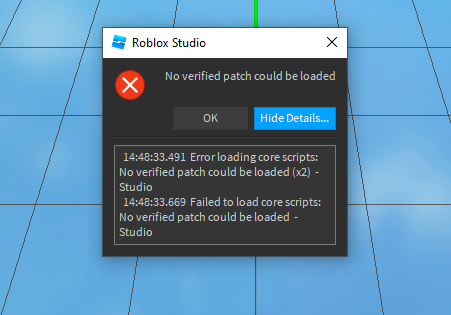


Error On Script In Game Scripting Support Developer Forum Roblox . Roblox Studio Error Loading Core Scripts Scripting Support . Error On Script In Game Scripting Support Developer Forum Roblox 2 545x500 . Error On Script In Game Scripting Support Developer Forum Roblox . Weird Error Coming From Script That Doesn T Exist Scripting Support

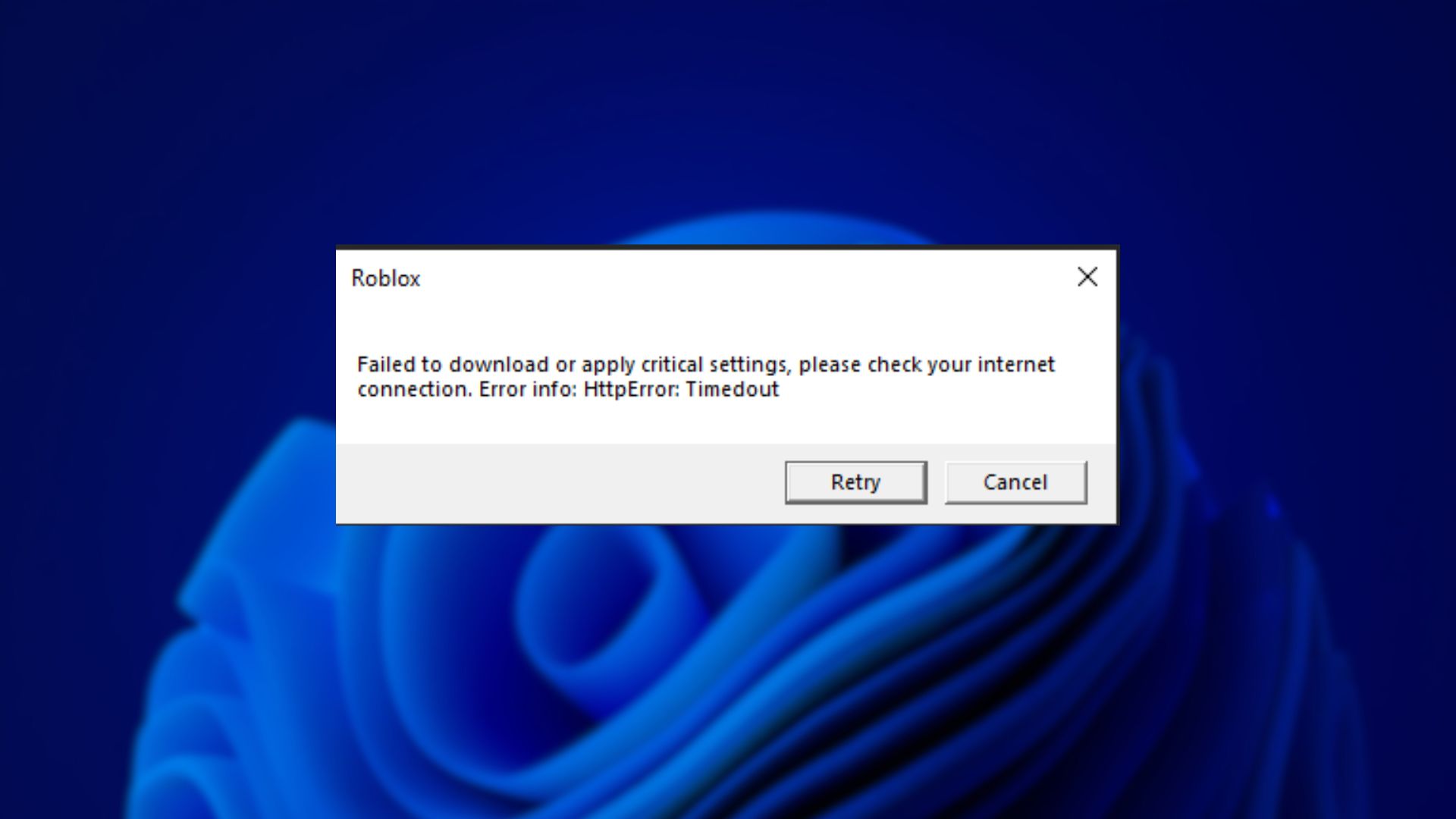

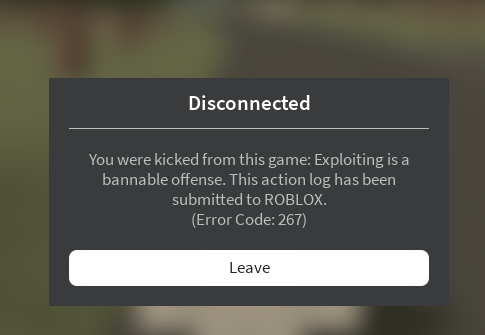

Script Error Problem Scripting Support Developer Forum Roblox . Fix Failed To Download Or Apply Critical Settings Roblox How To Install 2 . Error Showing Up Scripting Support Developer Forum Roblox . You Were Kicked From This Game Exploiting Is A Bannable Offense This . Error Code 267 In Roblox Studio Scripting Support Developer Forum


Contoh Roblox Scripts 2026 Panduan Lengkap Untuk Pemula Jurnal Ngawi 3789630207 . How To Read And Understand Errors In Roblox Studio YouTube . What Is This Weird Error Scripting Support Developer Forum Roblox 2 1024x288 . UGC Purchase Prompt Showing Error Scripting Support Developer Forum . 5 Error Checking In Roblox Development Tips
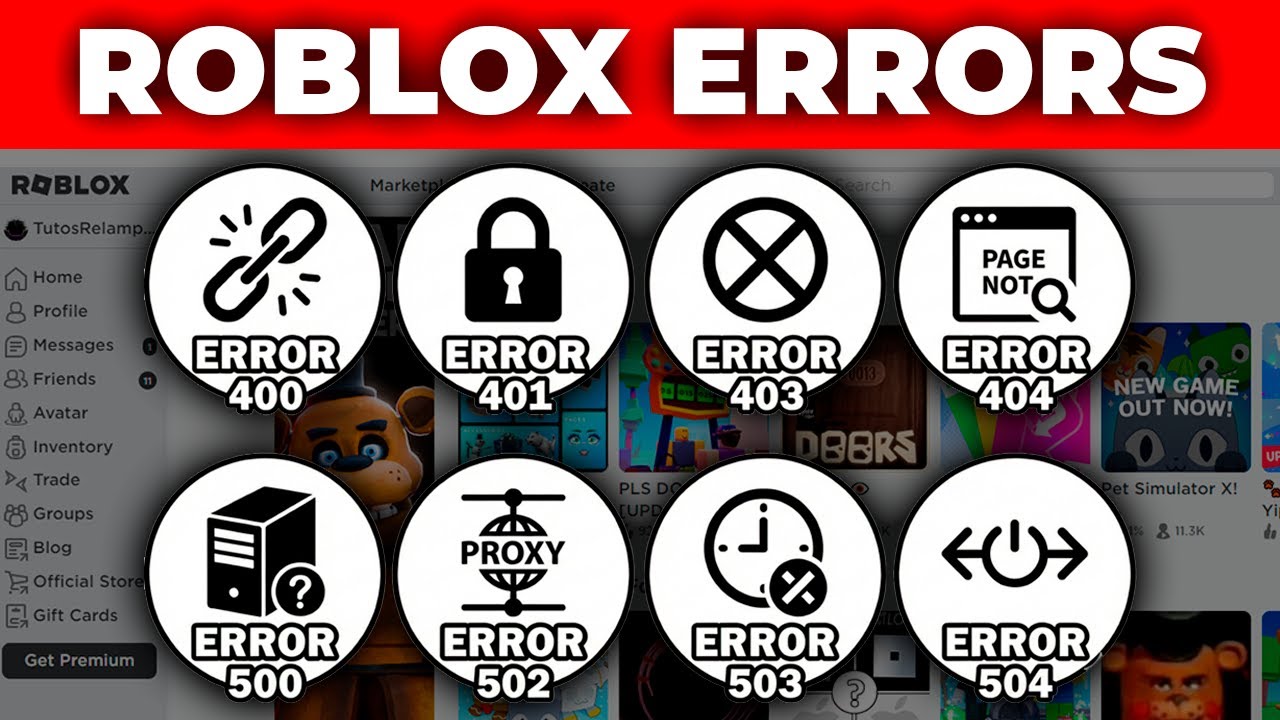


How To Fix Roblox Error Code 600 Image. All Roblox Errors Explained In 1 Minute 2026 Full Guide YouTube . Error Report Seemingly Showing Errors From Another Game Creator Hub . What S Wrong With My Code That Is Causing Error Code 268 Scripting 2 690x431 . Thousands Of Output Errors Scripting Support Developer Forum Roblox
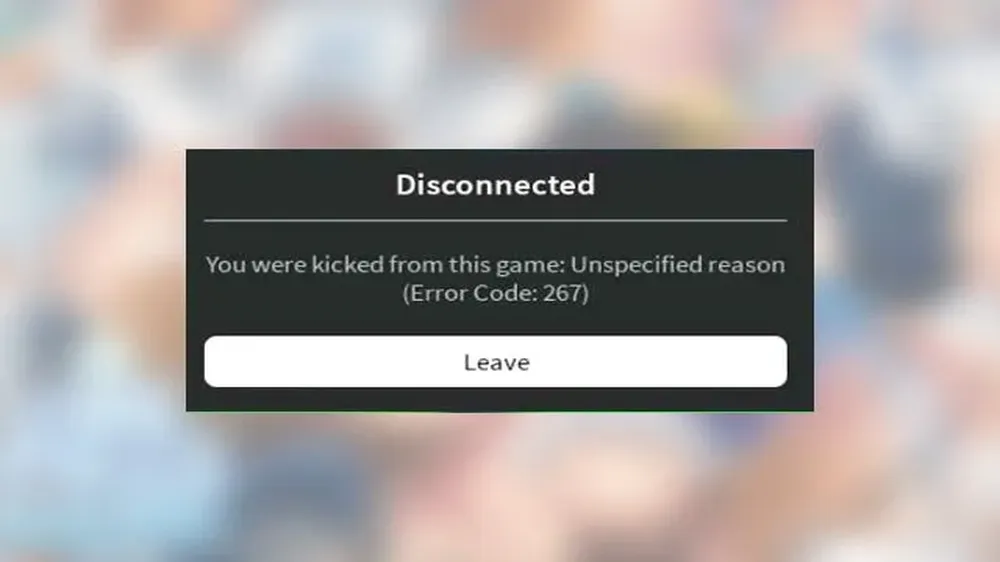


How To Fix Roblox Error Code 279 Image. Roblox Error Code 267 How To Fix It Quickly And Easily Roblox Error Code 16x9 1.webp. Roblox 280 Webp. The Ultimate Guide To Scripting On Roblox 2026 Approved YouTube . Basic Scripting Roblox Studio Scripting Guide PART 1 Tutorial




Hello Fellow Programmers I Am Here Cause I M Bamboozled By This Issue . An Intelligent Script Editor Scripting . Fix Script Hook V Critical Error Unknown Game Version In GTA 5 Sorcerer Tycoon Codes Roblox.webp. Account Terminated For No Reason Platform Usage Support Developer . What Is This Weird Error Scripting Support Developer Forum Roblox



Having Big Issues Getting Kicked For An Unknown Reason Scripting . What Will Roblox Look Like In 2026 Blog Graphics 26 . Roblox Lua Scripting 2026 Guide For Kids CodaKid Roblox Studio.webp. Asystent Centrum Tw Rc W Roblox Studio Script Insert . Roblox S Error Page Platform Usage Support Developer Forum Roblox