Protect your hands and extend your gaming career with this essential guide on how to avoid carpal tunnel gaming Discover practical ergonomic setups effective break strategies beneficial exercises and smart peripheral choices designed for busy US gamers balancing life and play Learn why prevention is key and how to recognize early symptoms to maintain peak performance and enjoyment without pain This informational resource provides trending insights for sustained comfort ensuring your passion for gaming remains a source of relaxation and fun not strain Adaptable tips cover PC console and mobile gaming helping you stay current and healthy in the evolving gaming landscape Alpha numeric only
What exactly is Carpal Tunnel Syndrome in gamers?
Carpal Tunnel Syndrome (CTS) for gamers is the compression of the median nerve in the wrist, often due to repetitive movements and awkward hand positions inherent in prolonged gaming. This leads to symptoms like pain, numbness, tingling, and weakness in the thumb, index, middle, and half of the ring finger, significantly impacting gaming performance and daily life.
How long should gaming sessions be to avoid hand injury?
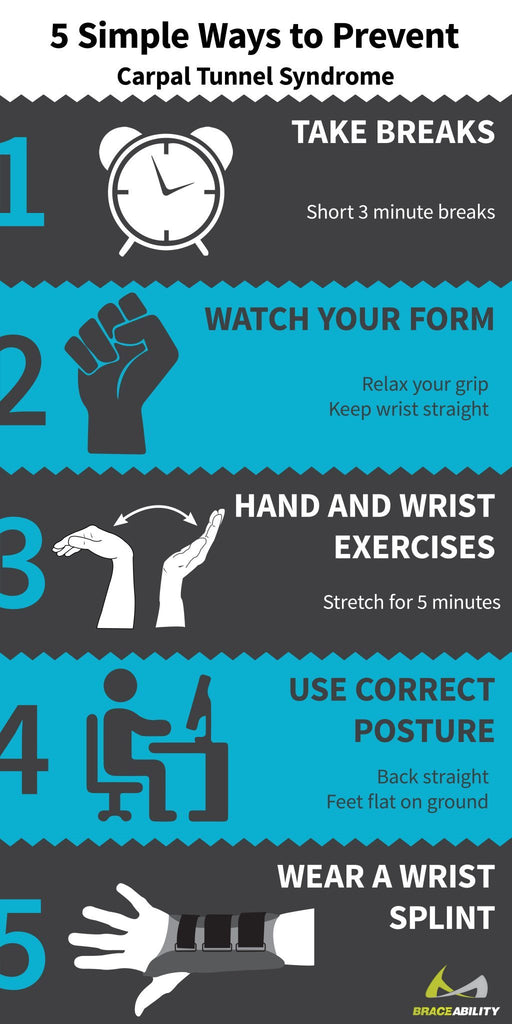
To proactively avoid hand injuries like CTS, limit continuous gaming sessions to 30-60 minutes before taking a 5-10 minute break. This allows your hands and wrists to rest and recover, reducing repetitive strain. Consistency in breaks is more important than occasional long pauses.
Are there special mice or keyboards that prevent carpal tunnel while gaming?
Yes, ergonomic gaming peripherals are highly recommended. Look for vertical mice that keep your hand in a natural handshake position, or keyboards with a split or curved design. Mechanical keyboards requiring less key press force can also reduce strain. These designs promote neutral wrist alignment.
What stretches are most effective for gamers to prevent wrist pain?
Effective stretches include the prayer stretch, wrist flexor stretch (pulling fingers back with palm facing up), and wrist extensor stretch (pulling fingers down with palm facing down). Gentle fist clenches and finger spreads also improve circulation. Perform these regularly during breaks to maintain flexibility.
Can a bad gaming chair contribute to carpal tunnel issues?
Indirectly, yes. A poor gaming chair can lead to bad posture, affecting your entire upper body alignment. If your chair forces you to hunch or sit with unsupported arms, it increases tension in your shoulders, neck, and forearms, ultimately putting more strain on your wrists and contributing to CTS.
Is it true that staying hydrated helps prevent carpal tunnel?
Yes, staying well-hydrated is crucial for overall health, including joint and tendon lubrication. Dehydration can stiffen tissues and reduce circulation, making tendons more susceptible to inflammation and compression within the carpal tunnel. Drink plenty of water throughout your gaming sessions and day.
When should a gamer consult a doctor for wrist pain?
If you experience persistent numbness, tingling, weakness, or pain in your hand and wrist that does not improve with rest, stretches, and ergonomic adjustments, it is vital to consult a healthcare professional. Early medical intervention can prevent symptoms from worsening and reduce the risk of permanent damage.
Hey fellow gamers. Ever felt that familiar twinge in your wrist after an epic raid or a marathon session grinding out battle pass levels? You are not alone. With 87% of US gamers regularly diving into their favorite titles, often for 10+ hours a week, and a significant portion balancing this passion with jobs and families, hand and wrist discomfort is a growing concern. We love our games for the relaxation, the challenge, the social connections on Discord, and the pure fun. But what if that fun comes at the cost of your hands?
Carpal Tunnel Syndrome, or CTS, is a real threat to our gaming longevity. It is a condition where the median nerve in your wrist becomes compressed, leading to pain, numbness, and tingling. For many of us, gaming is a vital stress reliever and a way to connect with friends, but we need to play smart. This comprehensive guide will show you exactly how to avoid carpal tunnel gaming so you can keep those high scores coming without sacrificing your long-term health. We are talking practical, actionable steps you can implement today, whether you are on PC, console, or even your mobile device. Don't let preventable pain sideline your passion; let's safeguard your gaming future.
What is Carpal Tunnel Syndrome and Why Does it Affect Gamers?
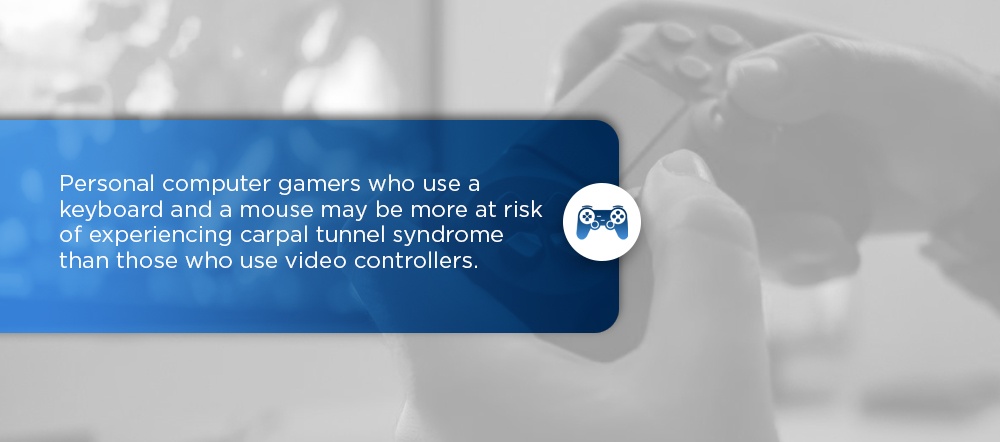
Carpal Tunnel Syndrome (CTS) occurs when the median nerve, which runs from your forearm into your hand, gets compressed at the wrist through a narrow passageway called the carpal tunnel. This compression can lead to symptoms like pain, numbness, tingling, and weakness in the hand and fingers, excluding the pinky. For gamers, repetitive motions with a mouse, keyboard, or controller, combined with prolonged awkward wrist positions, are prime culprits. The constant flexing and extending of the wrist, particularly in high-intensity esports titles or long grinding sessions, can inflame the tendons within the tunnel, increasing pressure on the nerve. This repetitive strain is a common occupational hazard, and for the average gamer, who might be around 36 years old and balancing a demanding job, it can significantly impact both hobbies and professional life.
Ignoring early signs can lead to worsening symptoms and even permanent nerve damage, which nobody wants when there are new games launching this month and a fresh season to conquer. The delicate structures in your wrist are not designed for hours of uninterrupted, high-speed, micro-movements without proper care. Understanding this physiological basis is the first step in actively preventing the condition, rather than reacting to it once pain sets in. It is about being proactive for your long-term gaming health.
How Can I Set Up My Gaming Station Ergonomically to Prevent CTS?
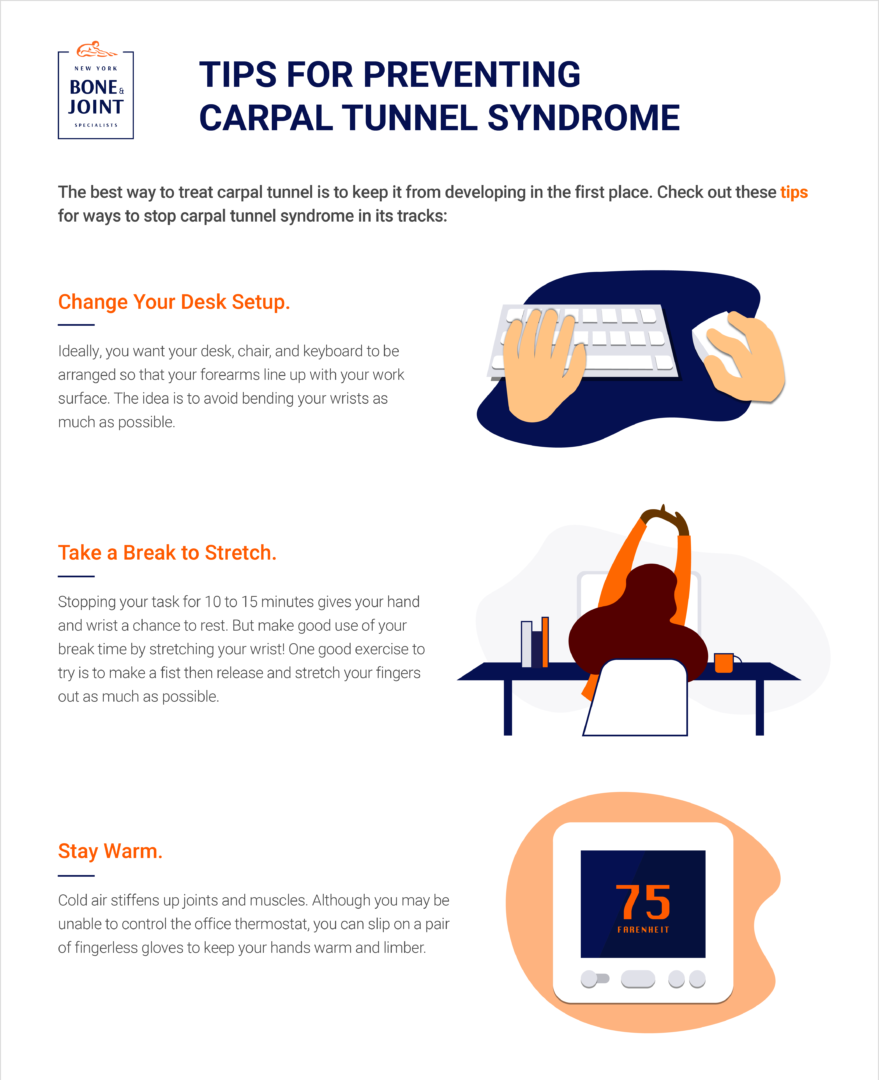
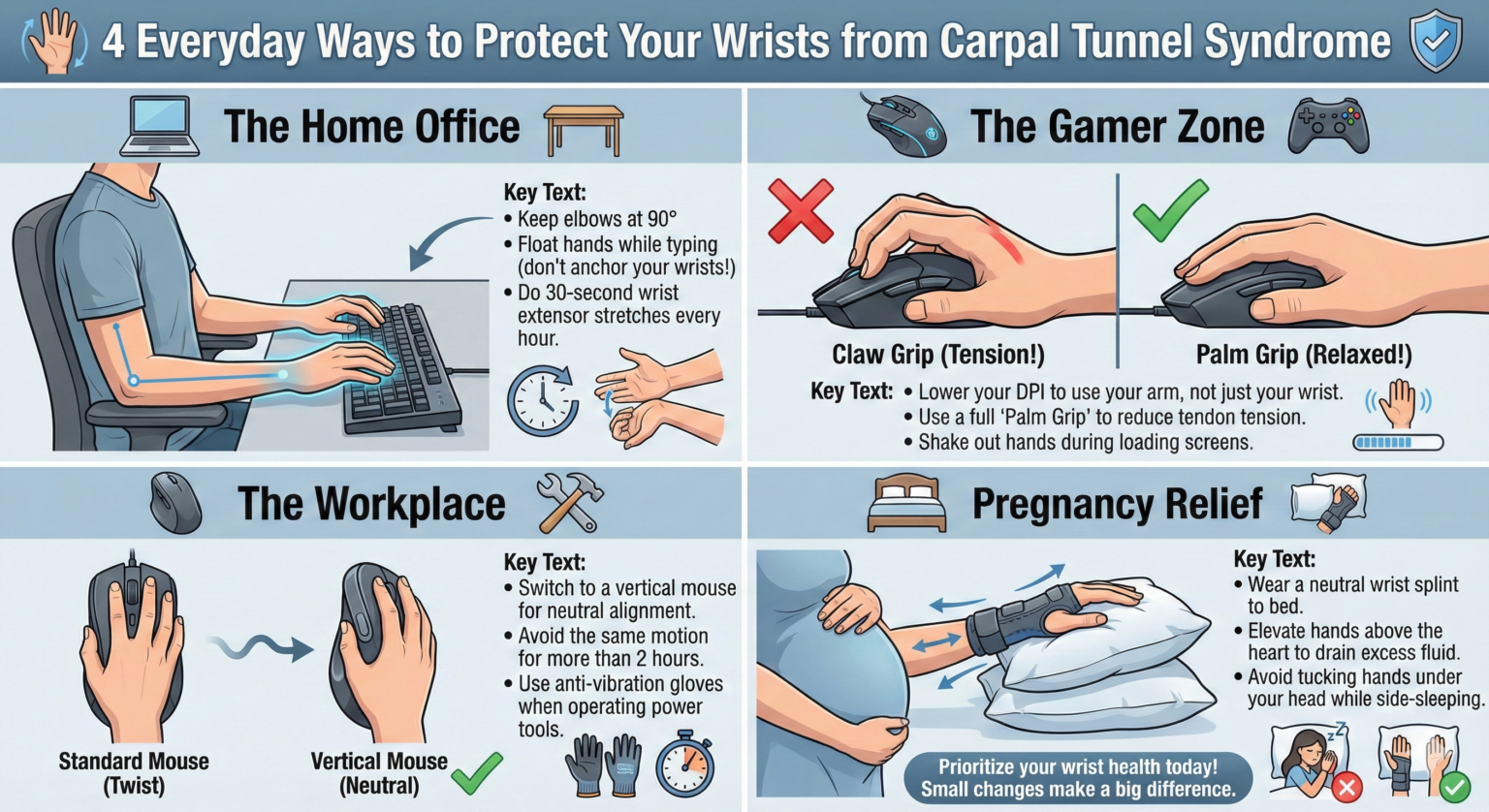
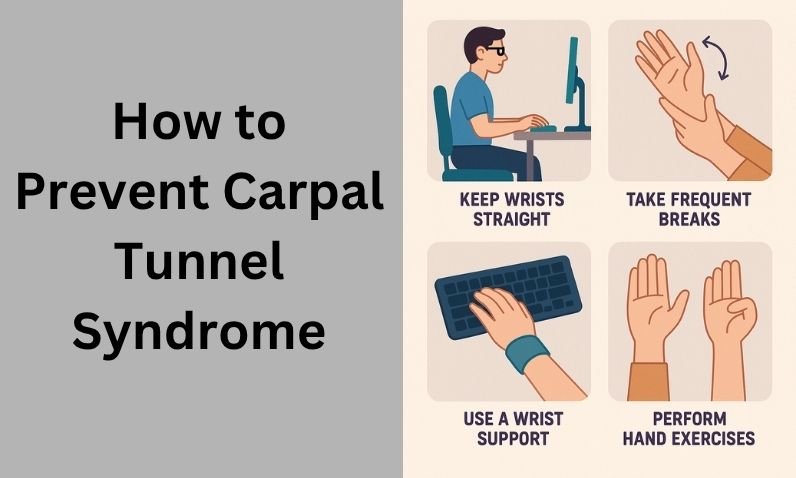
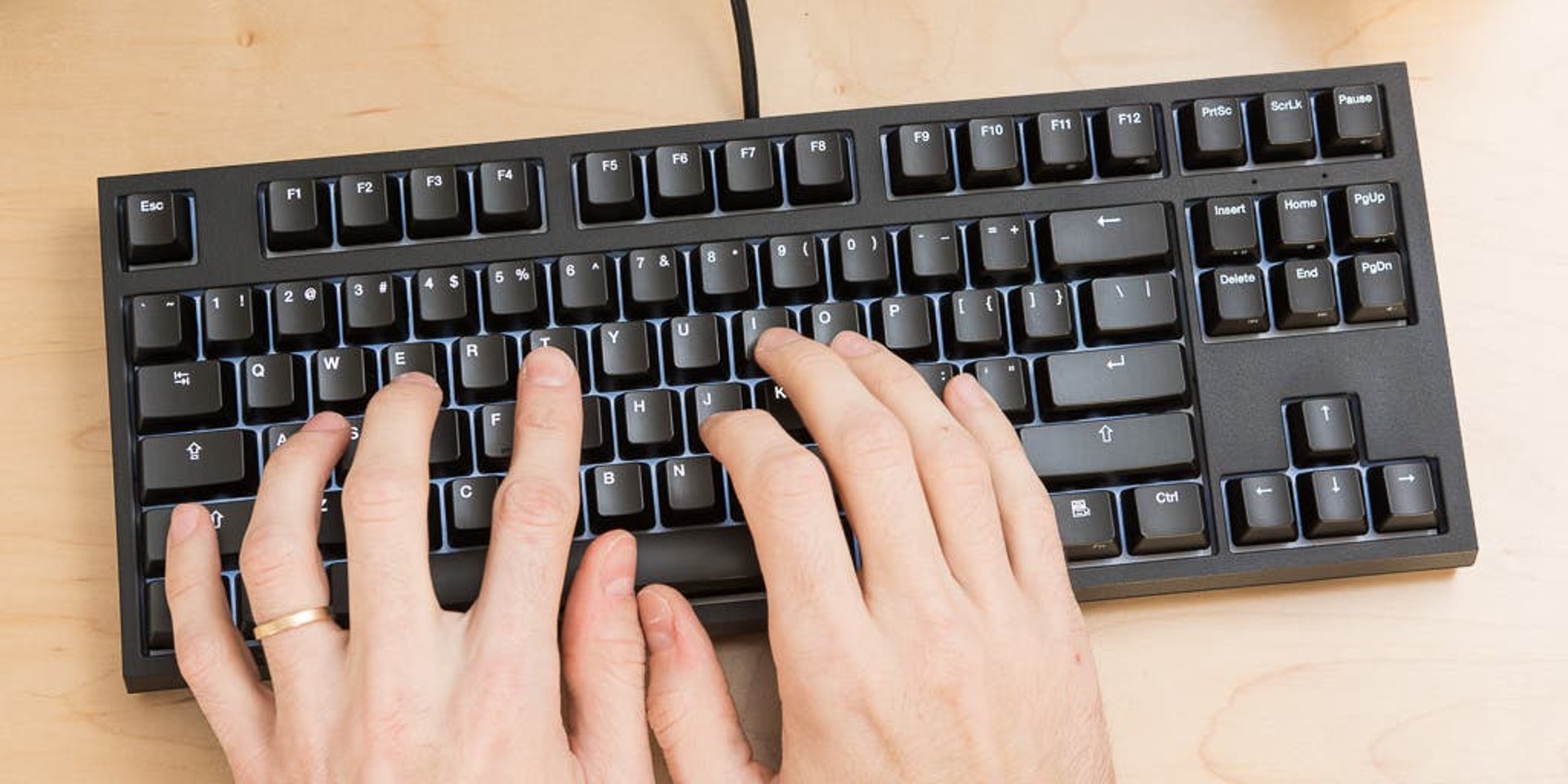
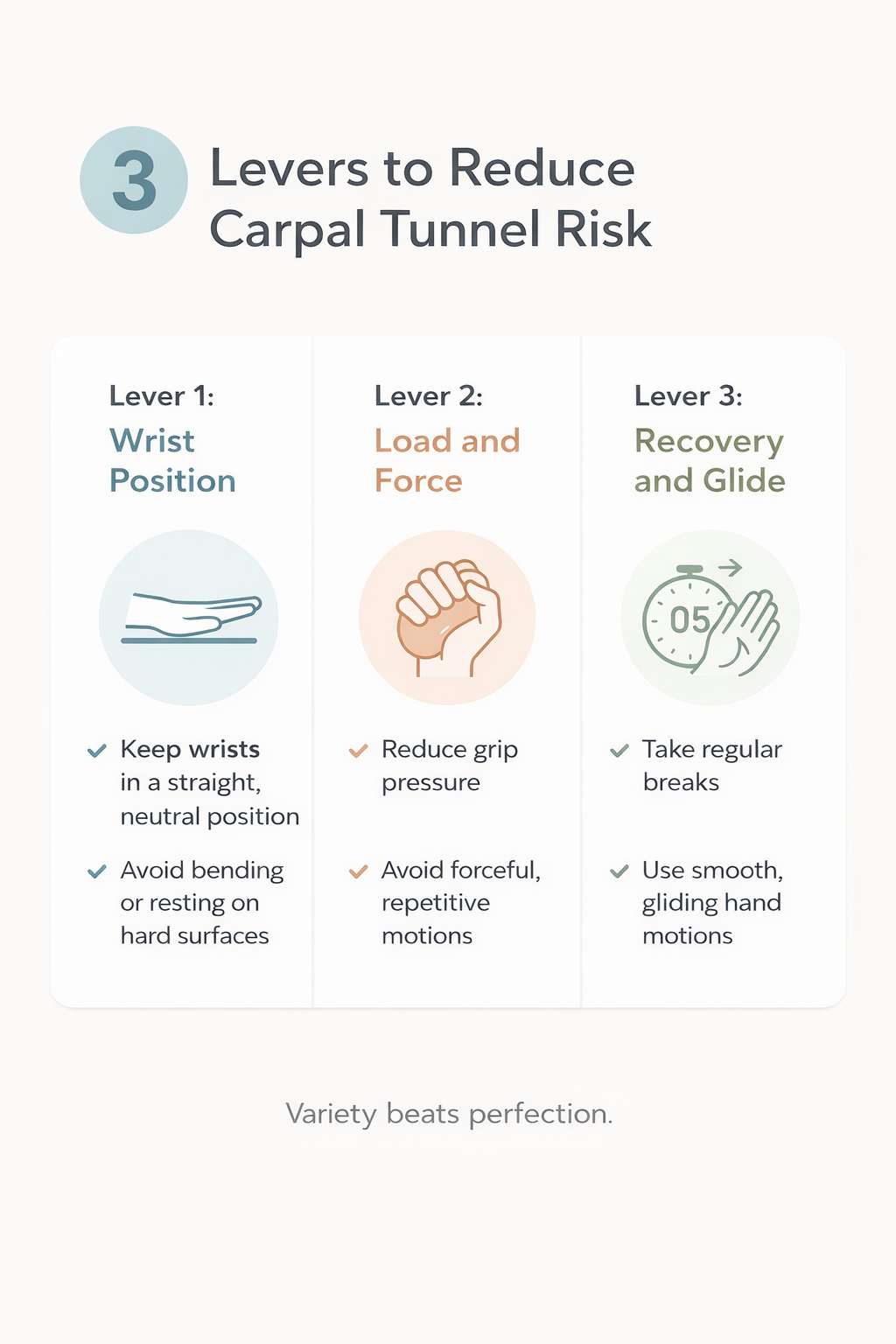
An ergonomic setup is your first line of defense against carpal tunnel gaming. It is all about aligning your body to minimize strain and promote natural posture. Start with your chair: ensure your feet are flat on the floor or a footrest, and your knees are at a 90-degree angle. Your keyboard and mouse should be positioned so your forearms are parallel to the floor, and your wrists are straight, not bent up, down, or to the sides. This neutral wrist position is critical. Use a wrist rest, but ensure it supports your palm, not directly your wrist, to avoid cutting off circulation and adding pressure directly onto the carpal tunnel. Your monitor should be at arm's length, with the top of the screen at or slightly below eye level to prevent neck strain that can cascade down to your arms.
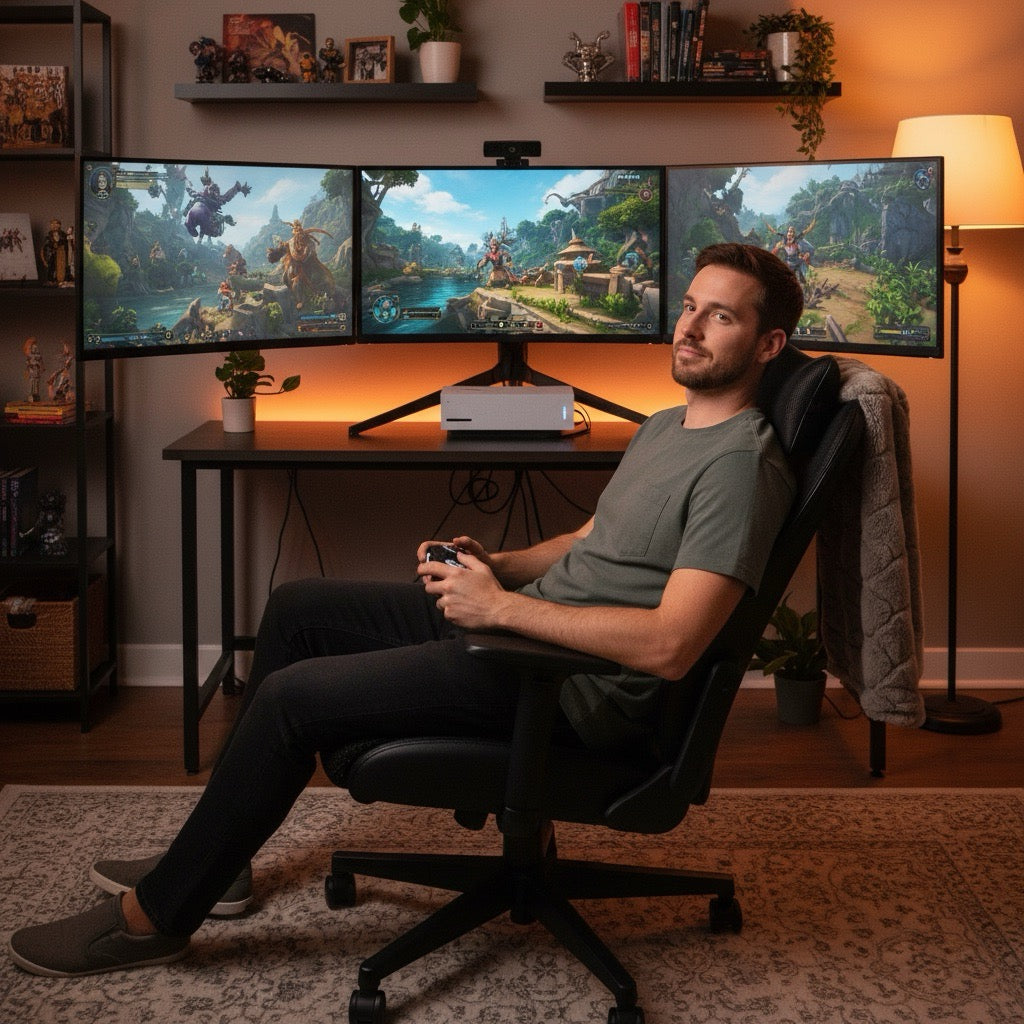
For console gamers, consider your sitting position; avoid slumping on the couch and try to keep your elbows supported and wrists neutral. Using cushions or even lap desks can help maintain better alignment. The goal is to avoid any prolonged static positions that force your wrists into unnatural angles. Adjustability is key; a gaming setup should adapt to your body, not the other way around. Investing a little time in optimizing your space can yield significant health benefits, allowing you to enjoy those social gaming sessions or competitive matches without unnecessary discomfort.
What Specific Exercises and Stretches Help Prevent Carpal Tunnel for Gamers?
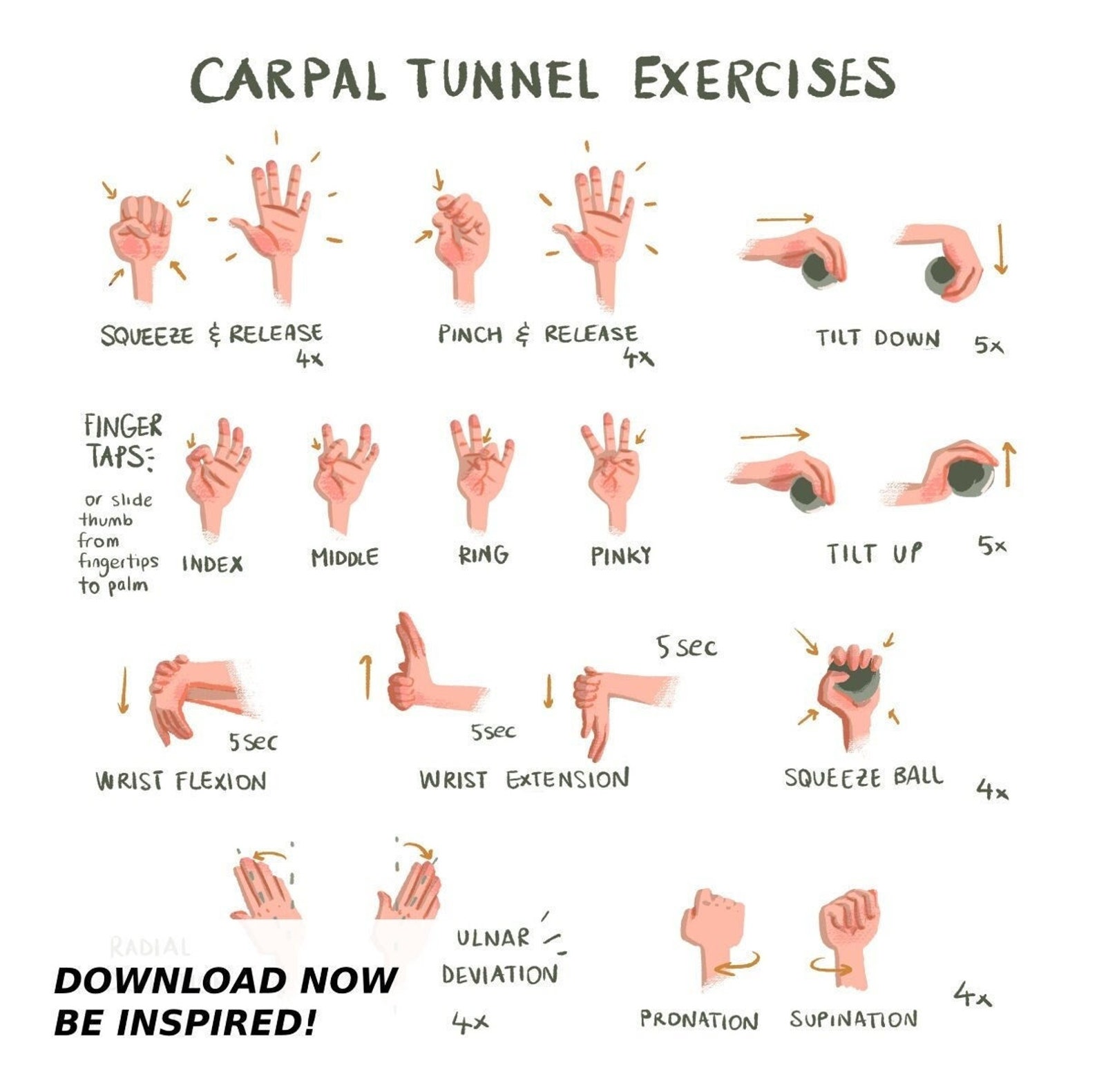
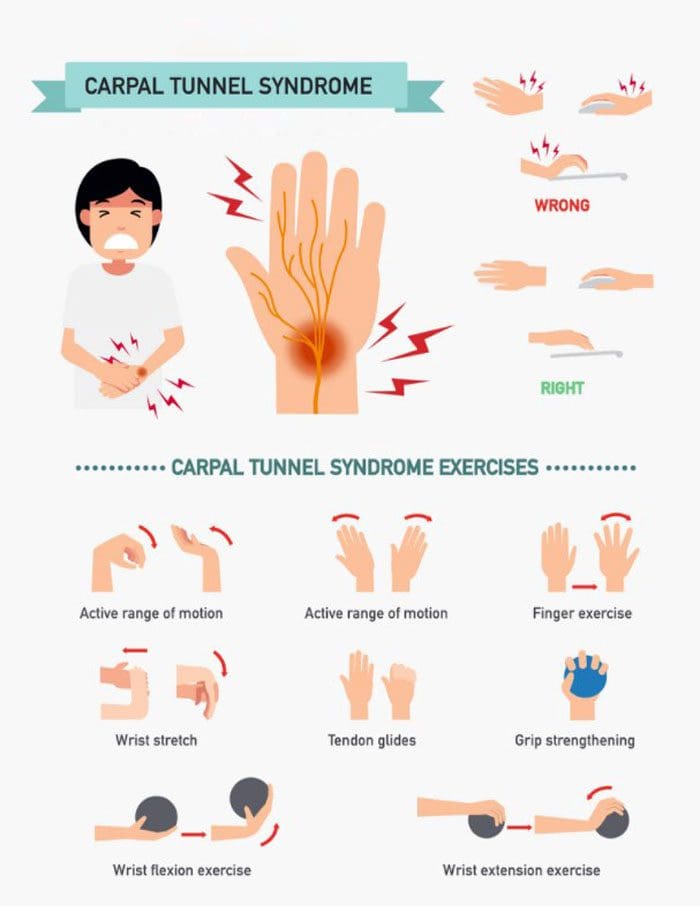
Integrating simple stretches and exercises into your gaming routine can significantly reduce your risk of CTS. These target flexibility, circulation, and muscle strength in your hands and wrists, preparing them for the demands of gaming and aiding recovery. Perform these before, during, and after gaming sessions, especially if you are one of the many gamers dedicating 10+ hours a week to your hobby. A simple exercise is the
Ergonomic setup guide Regular break routines Hand and wrist exercises Smart peripheral choices Hydration and nutrition tips Early symptom recognition Work life balance for gamers
35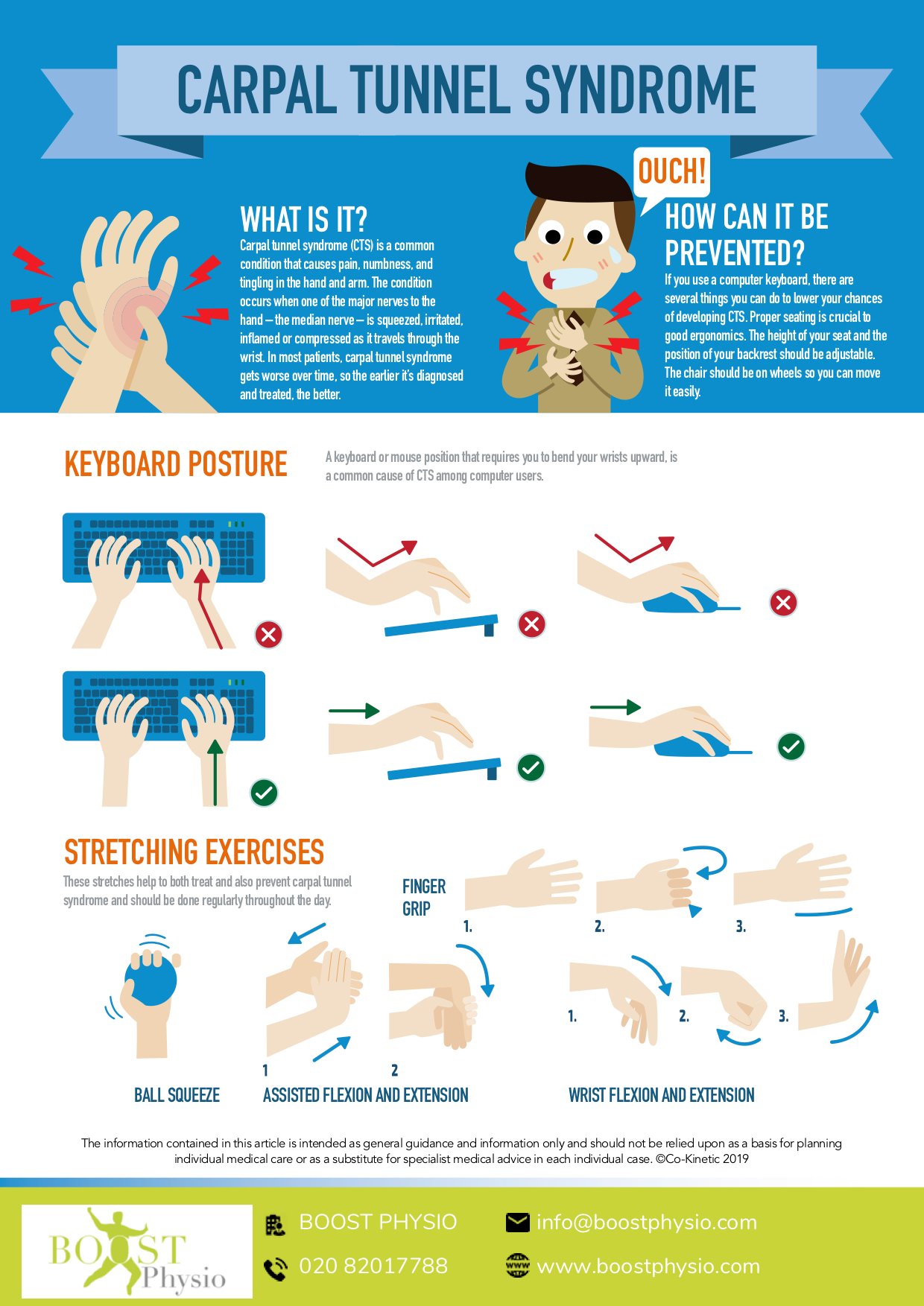



Can Gaming Cause Carpal Tunnel Syndrome At Henry Gale Blog Carpal Tunnel Infographic . 5 Ways To Prevent Carpal Tunnel 6S Physio Carpal Tunnel 1 768x528 . Gaming Causes Carpal Tunnel At Anthony James Blog Screenshot 2023 12 21 145653 . How To Avoid Carpal Tunnel Gaming DesktopEdge How To Avoid Carpal Tunnel Gaming 707 2 . Avoid Carpal Tunnel Syndrome



How To Prevent Carpal Tunnel Syndrome From Gaming Your Canada Drug Store Carpal Tunnel . How To Prevent Carpal Tunnel Gaming How To Prevent Carpal Tunnel Gaming Scaled . Pin On . 5 Ways To Avoid Carpal Tunnel Syndrome 7 How To Prevent Carpal Tunnel Syndrome While Gaming . Avoid Carpal Tunnel Syndrome Carpal Tunnel Syndrom Relief Stretching 486dc92a 1a10 4a4c 99f8 1024x1024

Hand And Wrist Exercises For Carpal Tunnel At Joyce Sargent Blog Il Iba7 . Can Gaming Cause Carpal Tunnel How Gaming Affects Your Wrists Ps5 Controller On Console . Preventing Carpal Tunnel Syndrome My Carpal Tunnel Safe Way To Prevent Carpal Tunnel . How To Avoid Carpal Tunnel Syndrome The Ultimate Guide 2026 Avoid Carpal Tunnel Syndrome Scaled . Avoid Carpal Tunnel Syndrome Carpal Tunnel Syndrom Exercises 02


How To Prevent Carpal Tunnel Syndrome New York Bone Joint Specialists NYBJ DEC2 How To Prevent Carpal Tunnel Full 879x1080 . 5 Ways To Prevent Carpal Tunnel Syndrome YouTube . Prevent Carpal Tunnel Gaming Easy Grip And Setup Tips For Longer Play Console Gamer With Ergonomic Setup Holding Controller At Lap Level Large F184ff5c B63d 422b A03d 1200x1200 . Pain Relief Treatment For Carpal T Carpal Tunnel How To Treat Carpal Pain Relief Treatment Carpal Tunnel Syndrome Carpal Tunnel Treat Carpal Tunnel Syndrome Prevent Carpal Tunnel Syndrome Hardcover Aa9c27cc 8983 4ecf B706 . How To Avoid Carpal Tunnel Syndrome The Ultimate Guide 2026 Gemini Generated Image 1536x838



How To Prevent Carpal Tunnel Syndrome Paramedic Canada Carpal Tunnel Syndrome . How To Prevent Carpal Tunnel Syndrome 12 Daily Tips How To Prevent Carpal Tunnel Syndrome Daily Tips That Work 9936696 . How To Prevent Carpal Tunnel With A Gaming Keyboard Robots Net How To Prevent Carpal Tunnel With A Gaming Keyboard 1704433707 . Prevent Carpal Tunnel Ultimate Ergonomic Checklist Image 3 1 683x1024 . Carpal Tunnel Syndrome Treatment What Actually Works In 2026 Neck Pain From Sleeping Wrong Scaled




How To Avoid Carpal Tunnel Syndrome The Ultimate Guide 2026 Gemini Generated Image 1 Scaled . Prevent Carpal Tunnel Ultimate Ergonomic Checklist Image 2 1 . How To Avoid Carpal Tunnel When Typing How To Avoid Carpal Tunnel When Typing 1.webp. How To Prevent Carpal Tunnel 7 Evidence Based Strategies Apr 5133 Image 1. How To Avoid Carpal Tunnel Syndrome The Ultimate Guide 2026 Pain Management Scaled



Carpal Tunnel Syndrome Treatment What Actually Works In 2026 Or For Carpal Tunnel Scaled . How To Treat Carpal Tunnel Without Surgery A 2026 Guide How To Treat Carpal Tunnel Without Surgery Treatment Guide . What Is The Best Keyboard For Carpal Tunnel Best Keyboard For Carpal Tunnel . Massage For Carpal Tunnel Pain Relief And Mobility Care How To Prevent Carpal Tunnel Syndrome 768x512 . Game Controller Carpal Tunnel At Benjamin Marcial Blog 03h09 Video Game Wrist Pain Support Brace 1400x